Free Consultation630-668-4211



Free Consultation630-668-4211
Available 24/7
Can My Spouse Refuse to Get a Divorce?
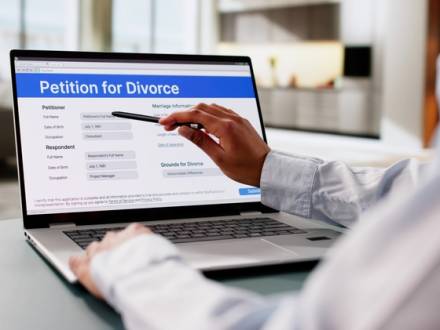
Even if your spouse doesn't want a divorce, they can't prevent one simply by refusing. Because Illinois is a no-fault divorce state, a divorce can proceed even if one spouse is resistant to it.
A Western Springs, IL lawyer can explain how you can move forward even without your spouse's cooperation in your 2026 divorce.
Does My Spouse Have to Agree to a Divorce in Illinois?
An Illinois court can grant a divorce if it finds that irreconcilable differences have caused the irretrievable breakdown of the marriage (750 ILCS 5/401). "Irreconcilable differences" means that attempts to reconcile have not worked. Further attempts would also not be in the best interests of the family.
If your spouse does not take part in the case, you can ask the court for a default judgment. This allows the divorce case to move forward without your spouse taking part. If your spouse takes part in the case but you cannot agree on important issues, the divorce becomes contested. Contested divorces generally take longer and usually cost more than uncontested divorces. However, they still allow the case to move forward even if one spouse refuses to agree.
While the case is pending, the court can enter temporary orders on issues like child support, parenting time, or who stays in the marital home. Your spouse's refusal to cooperate doesn't prevent temporary orders.
A civil divorce in Illinois ends the legal marriage, but some religions have their own separate process. For example, Jewish couples may seek a religious divorce, while Catholics may seek an annulment through the Church. These religious processes are separate from a civil divorce. In Illinois, religious and civil divorce are separate processes, so a legal divorce through the courts is still required to legally end the marriage.
What If My Spouse Won't Respond to Illinois Divorce Papers?
Once your spouse is properly served with divorce papers, they generally have about 30 days to respond. If they ignore the case entirely, you may be able to ask the court for a default judgment.
The court must make sure your spouse was properly served before entering a default judgment. It's worth doing your best to confirm that your spouse actually received notice of the case rather than assuming they are ignoring it. Problems with service can delay the case and give your spouse a reason to challenge the judgment later.
How Long Does It Take to Get Divorced in Illinois if My Spouse Won't Agree?
Illinois does not require you to live apart for six months before you can get divorced. However, if you and your spouse have lived separate and apart for at least six months, the court will consider irreconcilable differences proven (750 ILCS 5/401). This can make it harder for a spouse to argue that the marriage can still be saved.
From there, how long your case takes to settle depends on how much litigation is required to resolve the necessary issues. An uncontested Illinois divorce can sometimes finalize in just a few months. A contested case involving hidden assets, custody disputes, or repeated delays often takes much longer. Staying organized with your own records and deadlines can help keep your case moving even when your spouse isn't cooperating.
How Are Decisions Made in an Illinois Divorce if My Spouse Won't Cooperate?
Illinois courts have the authority to resolve several key issues even when one spouse makes difficulties. These include:
-
Division of marital property and debt
-
Spousal support
-
Child support and parenting time
-
Who stays in the marital home while the case is pending
If one spouse does not take part, the judge can make decisions based on the evidence presented to the court. A spouse who refuses to participate can lose the chance to give their side of the story.
If your spouse takes part but refuses to agree on important issues, records and other evidence can help support your position. For example, financial records can help with property and support issues. A parenting plan and records showing who has been caring for the children can also help with parenting disputes. Your attorney can help you decide what will be useful in your case.
Call a Wheaton, IL Divorce Lawyer Today
When you're headed for a contested divorce, good legal representation becomes especially important.
Roberts PC works hard to settle family law cases and keep costs down, but we are fully prepared to take your case to trial. We have experience handling larger cases for business owners, professionals, and other high-earning clients. Every client is given Attorney Chuck Roberts' personal cell phone number and email address for optimal communication.
Call our Western Springs, IL family law attorneys at 630-668-4211 today to schedule your free consultation.

Office
400 S. Knoll St., Suite A
Wheaton, IL 60187
Phone
630-668-4211
From our office in Wheaton, Illinois, we serve clients throughout the DuPage County area, including but not limited to Naperville, Lisle, Glen Ellyn, Winfield, Oak Brook, Hinsdale, Wayne, Burr Ridge, Western Springs, Downers Grove, Barrington, and Schaumburg.
Results listed are not a guarantee or indication of future case results.
©2026 Roberts PC

